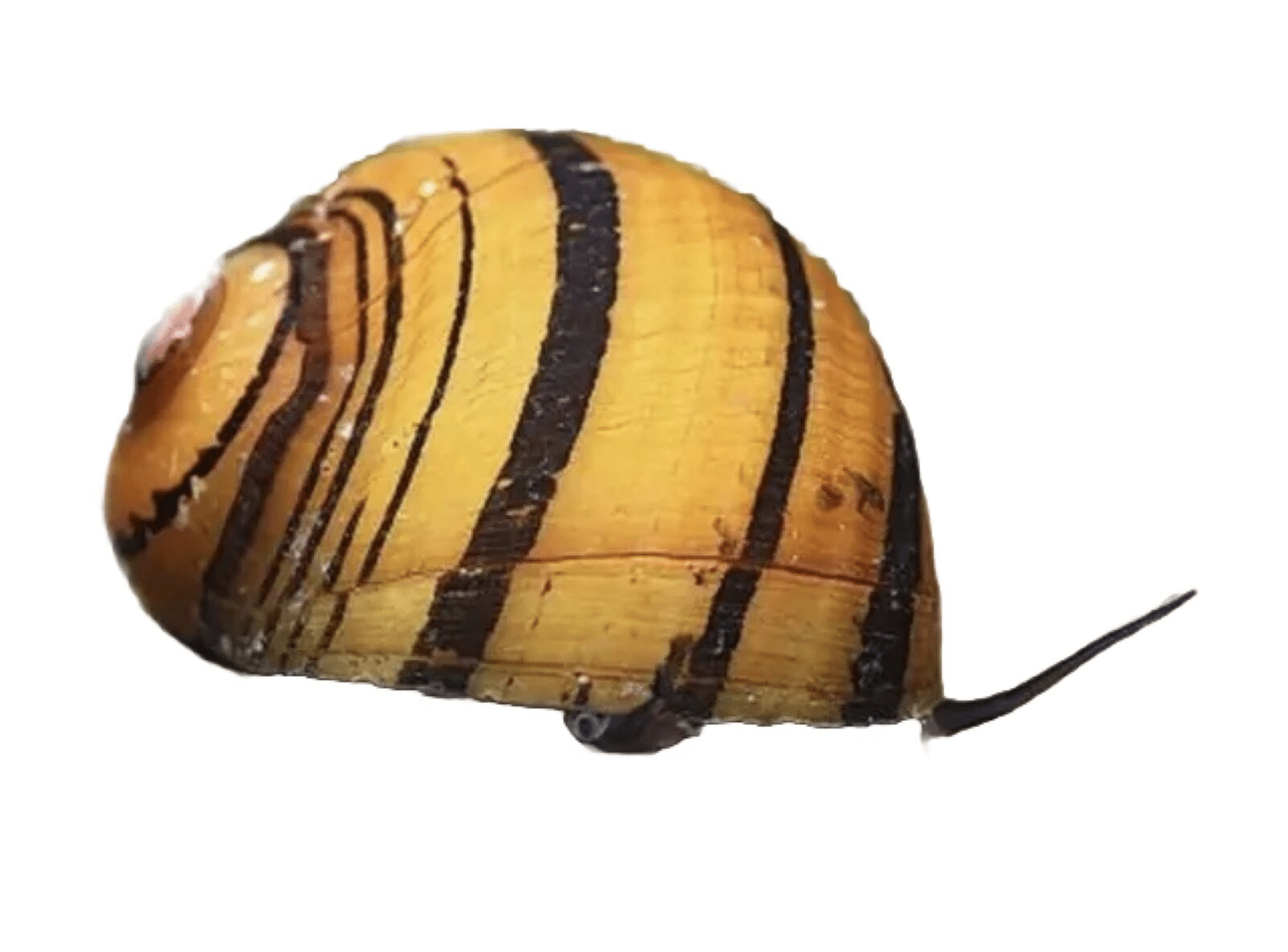
3 X Ring Nerite Snail – Neritina Sp. Ring – Algae Eater
Original price was: £10.49.£8.71Current price is: £8.71.
Welcome these beautiful 3 X Ring Nerite Snails, perfect algae eaters for your aquarium! Their unique ring patterns add visual interest while they thrive in freshwater environments, maintaining a clean habitat for your fish and aquatic plants. Ideal for both beginners and experienced aquarists.
In stock


Species Introduction
The 3 X Ring Nerite Snail, scientifically classified as Neritina sp., is a remarkable aquatic gastropod that thrives in both freshwater and brackish environments. Originating from various regions across the globe, these snails are particularly fond of tropical waters where they can often be found grazing on algae-covered surfaces. Their natural habitat includes rivers and estuaries, where they play a crucial role in maintaining the ecological balance by consuming algae and detritus. These snails are not only beneficial for the aquarium ecosystem but also add a unique aesthetic with their striking shell patterns, which often feature beautiful rings and spots that vary in color. As peaceful inhabitants, they coexist harmoniously with a variety of fish and plant species, making them an ideal addition to community tanks.
Key Features – 3 X Ring Nerite Snail Neritina Sp.
| Specification | Details |
|---|---|
| Benefits | Enhances your aquarium ecosystem |
| Quality | Premium aquarium-grade materials |
| Ease of Use | Simple setup and maintenance |
✓ Care Level: Easy
Care Requirements Dashboard
| Parameter | Ideal Range |
|---|---|
| Tank Size | 10 gallons minimum |
| pH Level | 6.5 – 8.5 |
| Temperature | 22°C – 28°C (72°F – 82°F) |
| Hardness | 5 – 15 dGH |
Maintaining the right care requirements for your 3 X Ring Nerite Snails is essential for their health and longevity. A minimum tank size of 10 gallons is recommended to provide ample space for grazing and exploration. The pH level should be kept between 6.5 and 8.5, which is suitable for most freshwater communities. Temperature stability is also crucial; keeping the water between 22°C and 28°C (72°F – 82°F) will ensure that these snails remain active and healthy. Additionally, a hardness level of 5 to 15 dGH is ideal, as it mimics their natural habitat and supports their shell development.
Natural Behavior & Temperament
The 3 X Ring Nerite Snail exhibits fascinating natural behaviors that contribute to the overall dynamics of your aquarium. These snails are primarily herbivorous, spending their time grazing on algae and biofilm that accumulate on surfaces such as rocks, glass, and plants. Their unique way of moving allows them to navigate through the tank with grace, using their muscular foot to adhere to surfaces while they feed. Socially, they are quite peaceful and can coexist with a variety of fish species without any issues. They do not exhibit aggressive behaviors, making them suitable for community tanks. However, it is important to monitor their interactions with certain fish species that may view them as food, particularly smaller or more aggressive fish. Overall, their calm demeanor and algae-eating habits make them a valuable addition to any freshwater aquarium.
Tank Setup Guide
Creating an ideal environment for your 3 X Ring Nerite Snails involves careful consideration of tank setup and decorations. Start with a substrate that is gentle on their delicate bodies; fine gravel or sand is recommended to prevent shell damage. Incorporating live plants not only enhances the aesthetic appeal of your aquarium but also provides additional grazing surfaces for the snails. Plants such as Java Fern, Anubias, and Hornwort are excellent choices as they thrive in similar water conditions and can help control algae growth. Additionally, providing hiding spots using rocks, driftwood, or ceramic decorations can help create a more natural habitat, allowing these snails to feel secure. Ensure that the tank is well-cycled before introducing your snails, as stable water parameters are crucial for their health.
Water Quality Management
Maintaining optimal water quality is essential for the well-being of your 3 X Ring Nerite Snails. Regular testing of water parameters such as pH, temperature, and hardness is crucial. A stable pH level between 6.5 and 8.5 is ideal, as fluctuations can stress the snails and affect their health. Temperature should be monitored and kept within the range of 22°C to 28°C (72°F to 82°F) to ensure they remain active and healthy. Regular water changes of 10-20% weekly can help maintain water quality by removing excess nutrients and waste products. Additionally, using a high-quality filtration system will aid in keeping the water clean and well-oxygenated. It is also advisable to avoid using copper-based medications or treatments, as these can be harmful to snails.
Feeding & Nutrition
✓ Diet: Algae, blanched vegetables, and specialized snail food
The diet of the 3 X Ring Nerite Snail primarily consists of algae, making them exceptional tank cleaners. They will naturally graze on algae that grows on the surfaces of your aquarium. However, to ensure they receive a balanced diet, it is beneficial to supplement their feeding with blanched vegetables such as zucchini, spinach, and cucumber. These vegetables should be cut into small pieces and placed in the tank for the snails to consume. Additionally, specialized snail food pellets can be offered to provide essential nutrients. Feeding should occur 2-3 times a week, ensuring that any uneaten food is removed to maintain water quality. Monitoring their feeding habits will help you understand their preferences and adjust their diet accordingly.
Compatibility Guide
When considering tank mates for your 3 X Ring Nerite Snails, it is important to choose peaceful species that will not pose a threat to their safety. Ideal companions include small to medium-sized fish such as tetras, guppies, and rasboras. These fish are generally non-aggressive and will coexist harmoniously with the snails. It is advisable to avoid larger or predatory fish that may view the snails as a potential meal. Additionally, some bottom-dwelling species, such as Corydoras catfish, can coexist well with Nerite Snails, as they occupy different levels of the tank. Monitoring interactions between species is essential to ensure a peaceful community environment.
Health & Wellness
Maintaining the health and wellness of your 3 X Ring Nerite Snails involves regular monitoring for common issues. One of the most significant concerns is shell health; if the shell appears damaged or eroded, it may indicate poor water quality or a lack of calcium in their diet. Providing calcium-rich foods and ensuring stable water parameters can help prevent these issues. Additionally, signs of illness may include lethargy, lack of appetite, or abnormal behavior. If you notice any of these symptoms, it is crucial to assess water quality and make necessary adjustments. Regular water changes and maintaining a clean environment will significantly contribute to the overall health of your snails.
Breeding Information
Breeding 3 X Ring Nerite Snails in captivity can be challenging, as they require brackish water conditions for successful reproduction. In their natural habitat, these snails lay eggs on surfaces above the waterline, which then hatch into larvae that require saltwater to develop. If you are interested in breeding, it is essential to create a separate breeding tank with brackish water conditions. Ensure that the tank is well-planted and has plenty of surfaces for the snails to lay their eggs. Once the eggs hatch, the larvae will need to be transferred to a saltwater environment until they mature. This process can be complex, and many aquarists choose to enjoy the beauty of their snails without pursuing breeding.
Acclimation Process
Introducing your 3 X Ring Nerite Snails to a new aquarium requires a careful acclimation process to minimize stress. Begin by floating the sealed bag containing the snails in the aquarium for about 15-20 minutes. This allows the temperature inside the bag to equalize with the tank water. After this, gradually introduce small amounts of tank water into the bag every 5-10 minutes. This process should continue for about an hour, ensuring that the snails can adjust to the new water parameters. Once acclimated, gently release the snails into the tank, avoiding any sudden movements that could stress them. Proper acclimation is crucial for their health and well-being.
Long-term Care
Caring for your 3 X Ring Nerite Snails over the long term involves consistent monitoring of their environment and health. These snails can live for several years with proper care, so establishing a routine for water testing, feeding, and tank maintenance is essential. Regularly check for signs of shell health and ensure they are receiving adequate calcium in their diet. Additionally, maintaining stable water parameters will contribute to their longevity. As they grow, be mindful of their grazing habits and ensure there is sufficient algae or supplemental food available to meet their dietary needs. By providing a stable and nurturing environment, you can enjoy the beauty and benefits of these snails for years to come.
Natural Habitat Recreation
To create a natural habitat for your 3 X Ring Nerite Snails, consider replicating their native environment as closely as possible. Incorporate elements such as smooth rocks, driftwood, and live plants that mimic their natural surroundings. Using a substrate that resembles riverbed conditions, like fine gravel or sand, will also enhance their habitat. Additionally, maintaining a balance of light and shade within the tank can help create a more dynamic environment, as snails often prefer areas where they can hide and graze. By recreating their natural habitat, you will not only enhance the aesthetic of your aquarium but also promote the well-being of your snails.
Seasonal Care Adjustments
As seasons change, it is important to adjust your care routine for your 3 X Ring Nerite Snails accordingly. During warmer months, ensure that the tank temperature does not exceed 28°C (82°F), as higher temperatures can stress the snails. Consider using fans or air conditioning to maintain a stable environment. In colder months, monitor the water temperature closely and use heaters if necessary to keep the temperature within the ideal range. Additionally, seasonal changes may affect algae growth; therefore, be prepared to adjust feeding schedules based on their grazing habits. Regular monitoring and adjustments will help ensure the health and happiness of your snails throughout the year.
Expert Tips
For those looking to provide the best care for their 3 X Ring Nerite Snails, consider these expert tips. First, ensure that your tank is well-cycled before introducing the snails, as stable water parameters are crucial for their health. Second, regularly check for algae growth and adjust your feeding accordingly; snails are excellent algae eaters and will thrive in environments with ample food sources. Third, supplement their diet with calcium-rich foods to promote healthy shell growth. Finally, observe their behavior regularly to detect any signs of stress or illness early. By following these tips, you can create a thriving environment for your aquatic companions.
Troubleshooting
If you encounter issues with your 3 X Ring Nerite Snails, troubleshooting can help identify and resolve problems quickly. Common issues include shell erosion, which may indicate poor water quality or insufficient calcium intake. Ensure that you are providing calcium-rich foods and maintaining stable water parameters. If your snails appear lethargic or are not feeding, check for signs of stress, such as sudden changes in water temperature or quality. Additionally, if you notice any aggressive behavior from tank mates, it may be necessary to rearrange the tank or separate the snails to prevent harm. Regular monitoring and prompt action can help maintain a healthy environment for your snails.
Scientific Background
The 3 X Ring Nerite Snail belongs to the family Neritidae, which comprises a diverse group of aquatic snails known for their unique shell patterns and algae-eating habits. This family is characterized by their ability to thrive in both freshwater and brackish environments, making them adaptable and resilient. The scientific classification of Neritina sp. highlights their importance within aquatic ecosystems, as they contribute to algae control and nutrient cycling. Research into their behavior and ecology continues to provide insights into their role in maintaining healthy aquatic environments. Understanding their scientific background can enhance your appreciation for these remarkable creatures.
Advanced Care Techniques
For advanced aquarists looking to enhance the care of their 3 X Ring Nerite Snails, consider implementing advanced care techniques. One technique is to create a dedicated breeding setup that mimics their natural reproductive conditions, including brackish water and appropriate surfaces for egg-laying. Additionally, experimenting with different types of algae growth can provide a varied diet that promotes health and vitality. Regularly monitoring water parameters and adjusting filtration systems can also improve water quality and snail health. By applying these advanced techniques, you can ensure a thriving environment for your aquatic companions.
Frequently Asked Questions
Q: What tank size is required for the Nerite Snail?
The 3 X Ring Nerite Snail thrives in a minimum tank size of 20 litres. This allows ample space for movement and grazing on algae. Larger tanks provide a more stable environment, reducing fluctuations in water parameters, which is crucial for their well-being. Ensure the tank is well-planted with plenty of surfaces for the snails to graze on, as they are natural algae eaters. A larger tank also allows for better water circulation and filtration, which helps maintain water quality, a vital aspect for the health of your aquatic companions.
✓ Expert Tip
Consider using a tank with a lid, as Nerite Snails can sometimes climb out. Regularly check the tank parameters to ensure a suitable environment.
Q: What water parameters do Nerite Snails require?
Nerite Snails prefer slightly acidic to neutral water, ideally with a pH between 7.0 and 8.0. They thrive in a temperature range of 22-28°C. It is crucial to maintain stable water parameters, as fluctuations can stress these snails. Regular water changes (about 10-15% weekly) are recommended to keep the water quality high. Additionally, ensure that ammonia and nitrite levels are kept at zero, while nitrate should be below 20 mg/L. Monitoring these parameters will contribute significantly to the health and longevity of your snails.
✓ Expert Tip
Use a reliable water testing kit to monitor the parameters regularly, ensuring a stable environment for your aquatic companions.
Q: How often should I feed my Nerite Snails?
Nerite Snails are primarily herbivorous and feed on algae, so if your aquarium has sufficient algae growth, they may not require additional feeding. However, if algae is scarce, supplement their diet with blanched vegetables such as zucchini or spinach, or a high-quality algae wafer. Feed them every few days, ensuring not to overfeed, as uneaten food can lead to water quality issues. Observing their feeding habits will help you adjust the frequency and quantity to meet their needs effectively.
✓ Expert Tip
Introduce new food gradually to avoid upsetting their digestive system. Remove any uneaten food after 24 hours.
Q: What are the best tank mates for Nerite Snails?
Nerite Snails are generally peaceful and can be kept with various community fish. Ideal tank mates include small to medium-sized non-aggressive species such as tetras, guppies, and rasboras. Avoid keeping them with larger, aggressive fish that may view them as food. Additionally, ensure that any potential tank mates do not disturb the snails or consume their food. A well-balanced community tank will create a harmonious environment for your Nerite Snails to thrive.
✓ Expert Tip
Regularly observe interactions between snails and fish to ensure a peaceful coexistence, adjusting tank mates as necessary.
Q: How do I properly acclimatise Nerite Snails to my aquarium?
Acclimatising your Nerite Snails is crucial to their health. Begin by floating the sealed bag in your tank for about 15-20 minutes to equalise the temperature. After this, gradually introduce tank water into the bag over another 15-30 minutes — about a quarter of the bag’s volume every 5 minutes. This process helps them adjust to the new water parameters slowly. Once acclimatised, gently place the snails in the tank without adding the bag water, which may contain harmful substances.
✓ Expert Tip
Avoid sudden temperature changes and ensure the tank is properly cycled before introducing new snails.
Q: What are the signs of healthy Nerite Snails?
Healthy Nerite Snails exhibit active behaviour, moving around the tank and grazing on algae. Their shells should be intact without any cracks or signs of damage. They should also show a vibrant colouration, as dull or faded shells may indicate stress or poor health. Additionally, observe for signs of feeding, as they will leave behind small trails of cleared algae. Regular monitoring will help you catch any health issues early on, ensuring a long and healthy life for your snails.
✓ Expert Tip
Keep an eye on their behaviour; lethargy or hiding for extended periods may indicate stress or illness.
Q: How long do Nerite Snails typically live in captivity?
In a well-maintained aquarium, Nerite Snails can live up to 3-5 years. Their lifespan is heavily influenced by water quality, diet, and overall tank conditions. Providing stable water parameters, a balanced diet, and a suitable environment will contribute to their longevity. Regular maintenance and monitoring of tank conditions can prevent many common health issues, ensuring your snails thrive for years to come. Keep in mind that breeding conditions can also affect their lifespan, as stress from breeding can shorten it.
✓ Expert Tip
Maintain a consistent care routine to maximise their lifespan and overall health.
Q: What type of substrate is most suitable for Nerite Snails?
Nerite Snails prefer a substrate that is soft and smooth, such as sand or fine gravel. This allows them to move freely without the risk of damaging their soft bodies. Avoid sharp substrates, which can injure them. Additionally, a sandy substrate can help maintain water quality by providing beneficial bacteria that assist in breaking down organic waste. It also offers a natural appearance that complements their habitat. Regularly cleaning the substrate will also help maintain a healthy environment for your aquatic companions.
✓ Expert Tip
Consider adding some smooth stones or driftwood, which can provide additional grazing surfaces for the snails.
Q: How can I prevent common diseases in Nerite Snails?
Preventing diseases in Nerite Snails involves maintaining excellent water quality and stable parameters. Regular water changes and monitoring for ammonia and nitrite levels are essential. Additionally, avoid overfeeding, as uneaten food can lead to bacterial outbreaks. Quarantining new arrivals for a few weeks before introducing them to your main tank can help prevent disease transmission. Lastly, ensure that the tank is not overcrowded, as this can lead to stress and increased susceptibility to diseases.
✓ Expert Tip
Regularly inspect your snails for any unusual behaviour or physical changes, which can indicate health issues.
Q: What natural habitat conditions should I replicate for Nerite Snails?
In their natural habitat, Nerite Snails are found in freshwater and brackish environments, often among rocks and submerged vegetation. To replicate these conditions, provide a well-planted aquarium with plenty of surfaces for grazing. Incorporate driftwood and smooth stones to mimic their natural environment. Maintaining a stable temperature and pH, along with good water circulation, will help create an ideal habitat. Additionally, consider adding some natural decor to enhance their comfort and encourage natural behaviours.
✓ Expert Tip
Regularly observe the tank layout to ensure it is conducive to the snails’ natural behaviours, adjusting as necessary.
1 review for 3 X Ring Nerite Snail – Neritina Sp. Ring – Algae Eater
Add a review
Related products


Emily Carter (verified owner) –
I’ve been an aquarium enthusiast for over five years, and I recently added the 3 X Ring Nerite Snails to my setup. Over the past month, I’ve been amazed at how effectively these little guys work as tank cleaners! They glide around my 20-gallon freshwater aquarium, munching on algae and keeping my plants healthy. Their beautiful, contrasting shells add a lovely aesthetic as well. Unlike other algae eaters I’ve tried, these snails are gentle on my delicate aquarium plants, which I truly appreciate.
I did have a slight concern about their initial acclimation, as they seemed a bit sluggish at first, but within a week, they were zooming around. I recommend providing plenty of hiding spots for them to feel comfortable. If you’re looking for a reliable and visually appealing algae eater, these Nerite snails are perfect for any freshwater aquarium. They have definitely earned a permanent spot in my tank, and I would buy them again in a heartbeat! Plus, they shipped quickly and arrived in great condition. Highly recommend for both beginners and seasoned aquarists!