Species Introduction
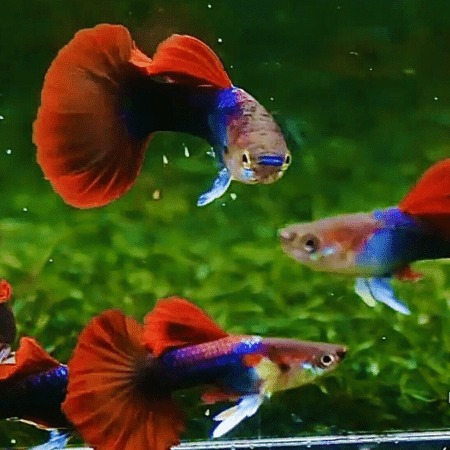
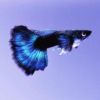
The Guppy, scientifically known as Poecilia reticulata, is one of the most popular freshwater fish species among aquarists. Native to the warm waters of the Caribbean and parts of South America, these vibrant creatures thrive in a variety of aquatic environments. Guppies are renowned for their stunning colors and patterns, particularly the Tuxedo Red Guppy, which showcases a unique blend of red and black hues that make them a visual delight in any aquarium. In their natural habitat, guppies inhabit shallow streams, ponds, and marshes, where they enjoy a rich environment filled with aquatic plants and plenty of hiding spots. This species is a member of the Poeciliidae family and typically grows to a maximum length of about 6 cm. Their flourishing nature and adaptability make them an excellent choice for both beginner and experienced aquarists alike.
Care Requirements Dashboard
Essential Care Guide for Your Guppy Poecilia Ret in Pairs Tuxedo Red Guppies (1 Male + Female)
| Optimal Living Conditions | |
|---|---|
| Water Temperature | 24-27°C (75-81°F) |
| pH Level | 6.5-7.5 |
| Water Hardness | 4-12 dKH |
| Minimum Tank Size | 80L (20 gal) |
| Salinity | Freshwater |
| Care Level | Beginner Friendly |
Natural Behavior & Temperament
Guppies are lively and social fish, exhibiting a range of natural behaviors that enhance the dynamics of a community aquarium. They are known for their active swimming patterns, often darting around the tank, exploring their environment. In a peaceful aquarium setting, guppies thrive in groups, showcasing their vibrant colors and playful interactions. Their temperament is generally peaceful, making them suitable companions for a variety of other community fish. However, it is essential to monitor their interactions with more aggressive species, as guppies can sometimes become targets due to their smaller size. Observing their social behavior can provide insights into their health and happiness, as well as help create a harmonious aquatic environment.
Tank Setup Guide
Creating an ideal environment for your guppy pair involves careful consideration of tank setup and decoration. Start with a spacious tank that allows for swimming and exploration, ideally equipped with a gentle filtration system to maintain water quality. Substrate options can vary, but fine gravel or sand is recommended to mimic their natural habitat. Incorporating live plants not only enhances the aesthetic appeal but also provides hiding spots and breeding grounds for your guppies. Plants such as Java Fern, Anubias, and Hornwort are excellent choices. Additionally, consider adding decorations like driftwood or rocks to create territories and reduce stress among your fish friends. Ensure that all materials used are non-toxic and safe for aquatic life to promote a healthy environment.
Water Quality Management
✓ Good Water Quality
pH Level: 6.8-7.8
Temperature: 22-28°C (72-82°F)
Hardness: 5-20 dGH
Maintaining optimal water quality is vital for the health of your guppies. Regular testing of pH levels, temperature, and hardness ensures that the water conditions remain within the acceptable range. A pH level between 6.8 and 7.8 is ideal, while the water temperature should be consistently monitored to stay within the range of 22-28°C (72-82°F). Water hardness should be maintained between 5-20 dGH. Frequent water changes, approximately 25% weekly, will help reduce toxins and promote a stable environment. Using a quality water conditioner and testing kits will assist in achieving and maintaining these parameters, ensuring your guppy companions thrive.
Feeding & Nutrition
⚠ Important Feeding Note
Feed small amounts 2-3 times daily.
Guppies are omnivorous and thrive on a varied diet that includes high-quality flake food, pellets, and live or frozen foods such as brine shrimp and daphnia. A balanced diet will promote vibrant colors and healthy growth. It is advisable to feed your guppies small amounts 2-3 times a day, ensuring they consume all food within a few minutes to prevent water contamination. Additionally, incorporating vegetable matter like spirulina or blanched spinach can enhance their nutrition. Observing their feeding habits can provide insights into their health; any changes in appetite may indicate underlying issues that require attention.
Compatibility Guide
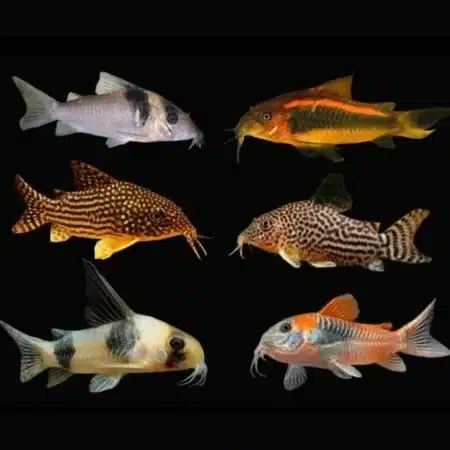
Guppies are generally peaceful and can coexist with a variety of other community fish. Ideal tank mates include small, non-aggressive species such as neon tetras, rasboras, and corydoras catfish. However, it is essential to avoid larger or more aggressive fish that may view guppies as prey. When introducing new fish to the tank, it is advisable to monitor their interactions closely to ensure a harmonious environment. Creating a well-planted tank with plenty of hiding spots can help mitigate stress and provide security for your guppy companions. Understanding the social dynamics of your aquarium will contribute to a thriving aquatic community.
Health & Wellness
Maintaining the health and wellness of your guppies is paramount to their longevity. Regular observation is key; look for signs of stress or illness, such as changes in behavior, loss of appetite, or visible abnormalities. Common health issues in guppies include fin rot, ich, and swim bladder disease. Preventative measures such as maintaining water quality, providing a balanced diet, and avoiding overcrowding will significantly reduce the risk of these issues. In the event of illness, prompt treatment is essential; consult with an aquatic veterinarian or a knowledgeable aquarist for guidance on appropriate treatments. Creating a stress-free environment will contribute to the overall well-being of your guppy companions.
Breeding Information
Guppies are livebearers, meaning they give birth to live fry rather than laying eggs. Breeding guppies can be a rewarding experience, as they are prolific breeders. To encourage breeding, maintain a healthy environment with stable water parameters and a varied diet. Female guppies can become pregnant as early as three months old, and after a gestation period of about 28 days, they will give birth to a batch of fry. It is important to provide plenty of hiding spots for the fry, as adult guppies may eat them. Separating the pregnant female into a breeding box can help protect the fry until they are large enough to join the main tank. Monitoring the growth of the fry and providing appropriate food will ensure their healthy development.
Acclimation Process
When introducing new guppies to your aquarium, a proper acclimation process is crucial to minimize stress and ensure a smooth transition. Begin by floating the sealed bag containing the guppies in the tank for about 15-20 minutes, allowing the water temperature to equalize. After this, gradually mix small amounts of tank water into the bag every 5 minutes for about an hour. This process helps the guppies adjust to the water parameters of their new home. Once acclimated, gently release the guppies into the tank using a net to avoid introducing excess bag water. Monitoring their behavior in the first few days is essential to ensure they are settling in well.
Long-term Care
Guppies have a lifespan of approximately 2-3 years, and providing long-term care involves regular maintenance and attention to their needs. Regular water changes, monitoring water quality, and maintaining a balanced diet are key components of their care. As guppies grow, it is important to keep an eye on their social dynamics and adjust tank mates if necessary. Additionally, observing their breeding behavior can provide insights into their health and happiness. Keeping a journal of their growth and health can be beneficial for tracking any changes over time. With proper care, your guppy companions will thrive and bring joy to your aquatic environment.
Natural Habitat Recreation
Recreating the natural habitat of guppies in your aquarium can enhance their well-being and promote natural behaviors. Consider incorporating a variety of live plants, such as floating plants and dense foliage, to mimic their native environments. Additionally, adding driftwood and rocks can create hiding spots and territories, allowing guppies to feel secure. Maintaining a gentle water flow and providing areas of calm water will also help replicate their natural habitat. Understanding the ecological aspects of their environment will contribute to a thriving and vibrant aquarium.
Seasonal Care Adjustments
Seasonal changes can impact the care of your guppies, particularly in terms of water temperature and lighting. During warmer months, ensure that the tank does not overheat; consider using a fan or air conditioning if necessary. Conversely, in colder months, maintaining a stable temperature is crucial, and a reliable aquarium heater may be required. Adjusting the lighting schedule can also influence breeding behavior and plant growth. Observing your guppies’ responses to seasonal changes will help you make necessary adjustments to their care routine.
Expert Tips
For those looking to enhance their guppy-keeping experience, consider the following expert tips:
- Regularly rotate tank decorations to stimulate curiosity and exploration.
- Maintain a varied diet to promote health and vibrant colors.
- Keep a close eye on water parameters, especially after adding new fish or plants.
- Engage with local aquarist communities for shared knowledge and experiences.
- Consider breeding guppies as an educational experience, teaching about life cycles and responsibility.
These practices will contribute to a thriving and enjoyable aquatic environment.
Troubleshooting
Despite the best care, issues may arise in your aquarium. Common problems include unexplained deaths, fin rot, or unusual behavior. If you notice your guppies are hiding excessively or displaying a lack of appetite, it may indicate stress or illness. Check water parameters immediately and perform a partial water change if necessary. If fin rot is observed, consider isolating the affected fish and treating with appropriate medications. Keeping a well-stocked aquarium kit with test kits and medications can help address issues promptly. Regular maintenance and observation are key to preventing problems before they escalate.
Scientific Background
The guppy, Poecilia reticulata, belongs to the family Poeciliidae and is a well-studied species in the field of aquatic biology. Research has shown that guppies exhibit fascinating behaviors, including sexual selection and color variation, influenced by environmental factors. Conservation efforts are crucial, as habitat destruction threatens their natural populations. Understanding the scientific background of guppies can deepen your appreciation for these beautiful creatures and highlight the importance of responsible aquarium practices.
Advanced Care Techniques
For experienced aquarists, advanced care techniques can enhance the health and vibrancy of guppies. Consider implementing a breeding program to explore genetic variations and colors. Additionally, using a planted tank with CO2 injection can promote lush plant growth, providing better water quality and hiding spots for fry. Regularly participating in local aquarium shows can also provide opportunities to learn from fellow enthusiasts and showcase your guppies. Engaging in these advanced techniques will elevate your guppy-keeping experience and contribute to a thriving aquarium.
Frequently Asked Questions
Q: What tank size is required for Tuxedo Red Guppies?
For Tuxedo Red Guppies, a minimum tank size of 60 litres is recommended. This size provides ample swimming space and helps maintain stable water parameters, which are crucial for their health. Guppies are social creatures and thrive in groups, so consider housing at least 5-6 individuals to encourage natural behaviour. Additionally, a larger tank allows for better filtration and reduces the risk of overstocking, which can lead to poor water quality. Always ensure that the tank is well-cycled before introducing your guppies.
✓ Expert Tip
Adding live plants can enhance the tank environment and provide hiding spots, which are beneficial for guppy fry and stressed adults.
Q: What water parameters do Tuxedo Red Guppies require?
Tuxedo Red Guppies prefer slightly alkaline to neutral water with a pH range of 6.8 to 7.8. The temperature should be maintained between 24°C to 28°C for optimal health. Ammonia and nitrite levels must be kept at 0 ppm, while nitrate levels should remain below 20 ppm. Regular water changes of approximately 10-15% weekly are essential to maintain these parameters. It’s advisable to use a reliable water testing kit to monitor these levels and ensure a stable environment for your aquatic companions.
✓ Expert Tip
Consider using a heater and a filter to maintain stable water conditions, which are vital for the health and longevity of your guppies.
Q: How often should I feed Tuxedo Red Guppies?
Tuxedo Red Guppies should be fed small amounts 2-3 times a day. Offer a varied diet that includes high-quality flake food, frozen or live food such as brine shrimp, and vegetable matter. Overfeeding can lead to water quality issues, so it’s crucial to provide only what they can consume in a few minutes. This feeding schedule not only promotes their health but also enhances their vibrant colours. Adjust the quantity based on the number of guppies and their activity levels, ensuring they remain active and healthy.
✓ Expert Tip
Incorporating vegetable matter, such as blanched spinach or spirulina, can aid in digestion and overall health.
Q: What are the best tank mates for Tuxedo Red Guppies?
Tuxedo Red Guppies are peaceful and can coexist with various community fish. Suitable tank mates include neon tetras, rasboras, and dwarf gouramis. Avoid aggressive species or larger fish that may see guppies as food. It’s also wise to steer clear of other livebearers like mollies or swordtails, as they may compete for food and space. Maintaining a harmonious tank environment is essential for the well-being of all fish. Ensure that the tank is spacious enough to accommodate the different species comfortably.
✓ Expert Tip
Introduce new fish gradually to prevent stress and territorial disputes among the existing inhabitants.
Q: How do I properly acclimatise Tuxedo Red Guppies to my aquarium?
Acclimatisation is vital to reduce stress in Tuxedo Red Guppies. Start by floating the sealed bag in the tank for about 15-20 minutes to equalise the temperature. Then, gradually introduce tank water into the bag over the next 30-60 minutes by adding small amounts every 10 minutes. This process helps them adjust to the new water parameters. Once acclimatised, gently release them into the tank without adding the bag water. This method ensures a smooth transition and minimises the potential for shock.
✓ Expert Tip
Avoid adding any water from the bag into your tank, as it may contain harmful substances from the transport process.
Q: What are the signs of healthy Tuxedo Red Guppies?
Healthy Tuxedo Red Guppies display vibrant colours, clear eyes, and active swimming behaviour. They should show no signs of distress, such as gasping at the surface or hiding excessively. Healthy guppies will also exhibit a good appetite and engage in social activities with tank mates. Regular observation is key; if you notice any changes in their behaviour or appearance, it may indicate stress or illness. Keeping a close eye on their fins and body for any lesions or signs of disease is equally important.
✓ Expert Tip
Maintain a stress-free environment by ensuring proper tank conditions and minimizing disturbances during feeding or maintenance.
Q: How do I successfully breed Tuxedo Red Guppies?
Breeding Tuxedo Red Guppies is relatively straightforward. Ensure you have a ratio of one male to two females to reduce stress on the females. Provide plenty of hiding spots using plants or decorations for the fry. Once the females are pregnant, which can be identified by a dark gravid spot near the tail, separate them into a breeding tank if you wish to protect the fry from adult fish. After giving birth, remove the female to prevent her from eating the fry. The fry can be fed finely crushed flakes or specialised fry food.
✓ Expert Tip
Maintain stable water conditions and provide a nutritious diet to promote healthy fry growth.
Q: What temperature should I maintain for Tuxedo Red Guppies?
The ideal temperature for Tuxedo Red Guppies is between 24°C to 28°C. Maintaining this temperature range is crucial as it influences their metabolism, reproductive behaviour, and overall health. A reliable aquarium heater can help to achieve and stabilise the desired temperature. Regularly monitor the water temperature using an accurate thermometer to ensure it remains within the optimal range. Sudden fluctuations can lead to stress and health issues in guppies.
✓ Expert Tip
Consider using a heater with a thermostat for consistent temperature control.
Q: How long do Tuxedo Red Guppies typically live in captivity?
In captivity, Tuxedo Red Guppies can live for approximately 2 to 3 years, depending on their care and environmental conditions. Factors such as water quality, diet, and tank mates significantly influence their lifespan. Providing optimal conditions, such as stable water parameters and regular maintenance, can enhance their longevity. Observing their behaviour and health regularly will help you address any issues that may arise, contributing to a longer, healthier life for your guppies.
✓ Expert Tip
Providing a varied diet and maintaining clean water can significantly improve their overall health and longevity.
Q: What type of substrate is most suitable for Tuxedo Red Guppies?
Tuxedo Red Guppies thrive in a variety of substrates, but fine gravel or sand is ideal as it allows for easy movement and digging. A darker substrate can enhance their vibrant colours and mimic their natural habitat. Ensure the substrate is clean and free from sharp edges to avoid injury. Additionally, incorporating live plants can provide a natural look and create hiding spots, promoting a stress-free environment for your guppies. Regular cleaning of the substrate is essential to maintain optimal water quality.
✓ Expert Tip
Consider adding a layer of nutrient-rich substrate beneath the gravel to support plant growth.
Q: What behavioural patterns should I expect from Tuxedo Red Guppies?
Tuxedo Red Guppies exhibit lively and social behaviours. They are often seen swimming in groups, displaying courtship dances, especially during breeding. Males tend to be more active and will showcase their colours to attract females. These fish are also known to explore their environment, so providing ample plants and decorations will encourage natural behaviour. However, excessive hiding may indicate stress, so ensuring a balanced environment with both open swimming spaces and cover is crucial.
✓ Expert Tip
Observe their interactions regularly; any changes can be an early sign of stress or illness.
Q: How can I prevent common diseases in Tuxedo Red Guppies?
Preventing diseases in Tuxedo Red Guppies involves maintaining excellent water quality and ensuring a stress-free environment. Regular water changes, proper filtration, and avoiding overcrowding are key factors. Quarantine new fish before introducing them to your main tank to prevent the spread of disease. Additionally, providing a balanced diet rich in nutrients can bolster their immune systems. Observe your guppies for any signs of illness, such as lethargy or changes in appetite, and act swiftly if any issues arise.
✓ Expert Tip
Consider adding aquarium salt in moderation to help prevent certain diseases; however, ensure it’s safe for all tank mates.
Q: What lighting conditions do Tuxedo Red Guppies prefer?
Tuxedo Red Guppies thrive in moderate lighting conditions. A standard aquarium light that mimics natural daylight is ideal. Bright lighting can stress guppies and encourage algae growth, while too dim lighting may inhibit plant growth. A light cycle of 10-12 hours daily is recommended to promote a healthy environment. It is also beneficial to provide shaded areas using plants or decorations, allowing guppies to retreat if they feel stressed.
✓ Expert Tip
Utilising a timer can help maintain a consistent light cycle, which is beneficial for both fish and plants.
Q: How do I recognise stress in Tuxedo Red Guppies?
Signs of stress in Tuxedo Red Guppies include hiding excessively, lethargy, and reduced appetite. They may also display erratic swimming patterns or clamped fins. If the water parameters are not ideal or if they are being bullied by tank mates, these behaviours may manifest. Regular monitoring of your guppies will help you identify any changes in their behaviour, allowing you to take corrective action swiftly. Providing a well-maintained and enriched environment can mitigate stress levels significantly.
✓ Expert Tip
Introduce hiding spots and ensure a balanced tank population to help reduce stress levels.
Q: What natural habitat conditions should I replicate for Tuxedo Red Guppies?
To replicate their natural habitat, aim to create a warm, planted tank with gentle water movement. Tuxedo Red Guppies are native to freshwater streams and ponds, characterised by lush vegetation and soft substrates. Incorporating plants such as Java fern and Anubias can provide cover and mimic their natural environment. Use a gentle filter to create light water flow, as they prefer calm waters. Maintaining stable water parameters will also help create a comfortable and healthy living space for your guppies.
✓ Expert Tip
Researching their native habitat can provide insights into creating an ideal environment for your aquatic companions.
Anna Becker (verified owner) –
I recently purchased a pair of Tuxedo Red Guppies (1 male + 1 female) and I couldn’t be happier with my decision! As a passionate aquarium hobbyist, I’m always on the lookout for stunning additions that are also easy to care for. These guppies arrived within a week, beautifully packaged and in excellent health.
One week in, they’ve already settled into my 10-gallon tank, where they swim around happily and display their vibrant colors. The male’s striking red tuxedo markings are simply mesmerizing, and even my other fish seem fascinated by them! Compared to other guppies I’ve had, these are definitely more active and social, which makes them a joy to watch.
I did notice the female was a bit shy at first, but after a few days, she started to explore more confidently. Just a little tip for newcomers: ensure they have plenty of plants and hiding spots to feel secure. Overall, I highly recommend these guppies for anyone looking to brighten their aquarium. They are perfect for both beginners and experienced keepers. I’m already contemplating getting another pair soon!
Happy fishkeeping!
Emily Carter (verified owner) –
I recently purchased a pair of Tuxedo Red Guppies, and I can’t express how thrilled I am with them! As an experienced hobbyist, I’ve kept various freshwater fish, but these little beauties really stand out. Arriving just a week ago, they settled into my 20-gallon community tank almost immediately. The vibrant colors and unique patterns on their tails are mesmerizing, and they add a delightful pop to my aquatic environment.
I appreciate that these guppies are peaceful and get along well with my other tropical fish, which is a huge plus for anyone looking to enhance their aquarium with compatible companions. Although they were a bit shy at first, I noticed them becoming more active and social within a few days, especially during feeding time. The only minor concern I had was that they took a while to adapt to the tank conditions, but after a few adjustments, they are now thriving!
I highly recommend these beautiful guppies for anyone looking to add vibrant life to their aquarium, especially beginners who want colorful yet low-maintenance fish. They truly bring joy to my days watching them swim around. I’d definitely buy again in the future!